Pfizer hemophilia companion
01. The context & strategic challenge
As part of a high-stakes exploration for Pfizer, I was tasked with defining the MVP for a Hemophilia management platform. Hemophilia is a chronic condition requiring lifelong, meticulous tracking of "bleeds" (internal bleeding episodes) and complex medication schedules.
The primary challenge was not just "making an app," but minimizing the burden of illness. Standard medical logging is often perceived by patients as a reminder of their condition, leading to low engagement and "logging fatigue." We needed a solution that felt like a supportive companion rather than a clinical data-entry tool.


02. Design philosophy: accessibility via system alignment
To maintain brand consistency and technical feasibility, I worked within the established Huma Design System, applying its principles to this specialized medical use case.
Accessibility-first implementation: I utilized the design system’s core components to ensure the app remained usable even when a patient is experiencing a flare-up or physical discomfort.
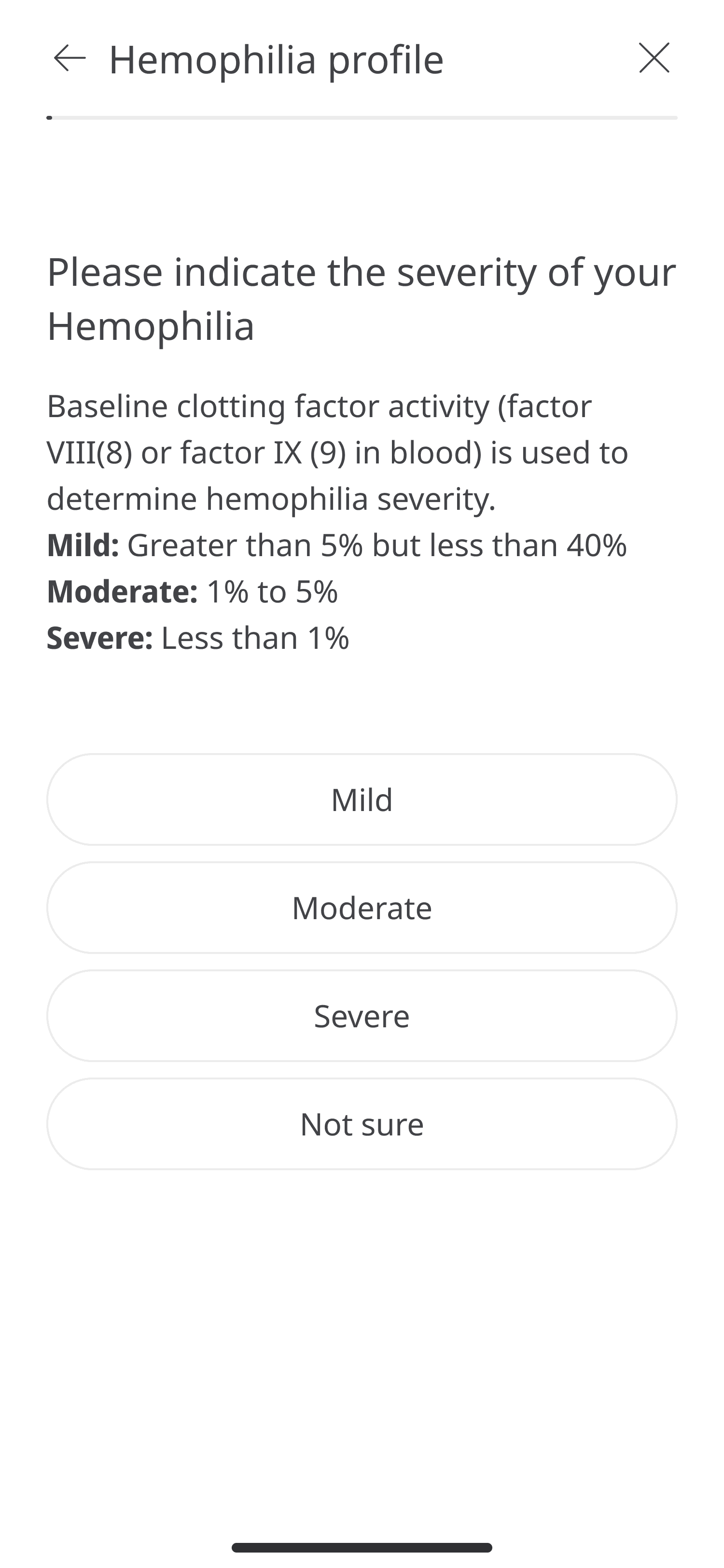
The "One-task-per-screen" rule: To reduce cognitive load, I broke down the complex "Getting to Know You" onboarding into a linear, micro-stepped flow, ensuring each interaction was purposeful.
Systemic consistency: By leveraging existing Figma components and Atomic Design patterns, I ensured that every new feature, such as the medication scanner felt like a native extension of the Huma ecosystem.
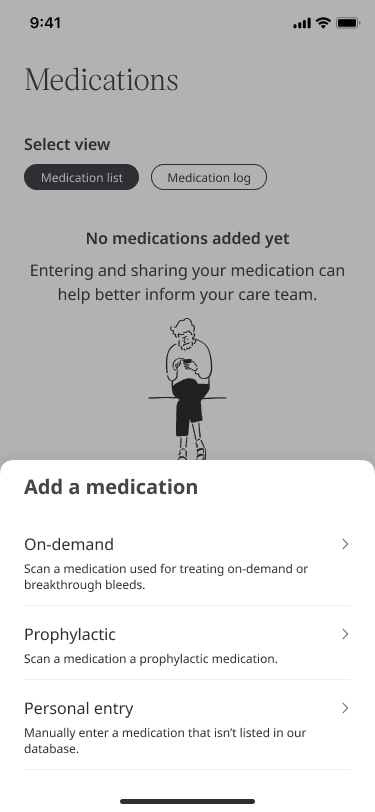
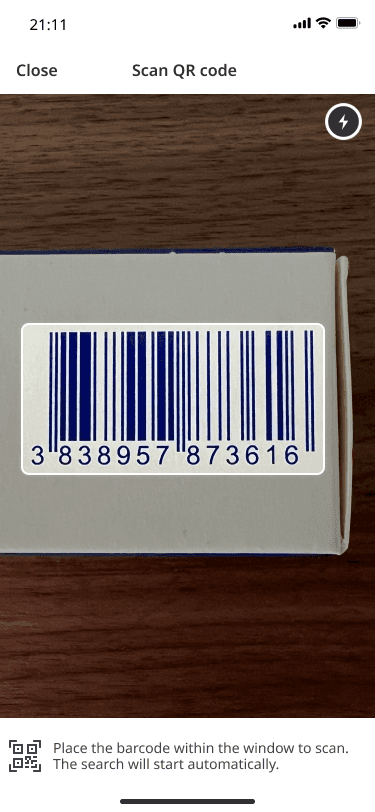
Reduced friction via technology: Recognizing that manual entry is a major drop-off point, I designed a medication scanning feature (OCR) to allow users to instantly log dosage and batch numbers, eliminating manual entry errors.
03. The core innovation: the multi-layered body map
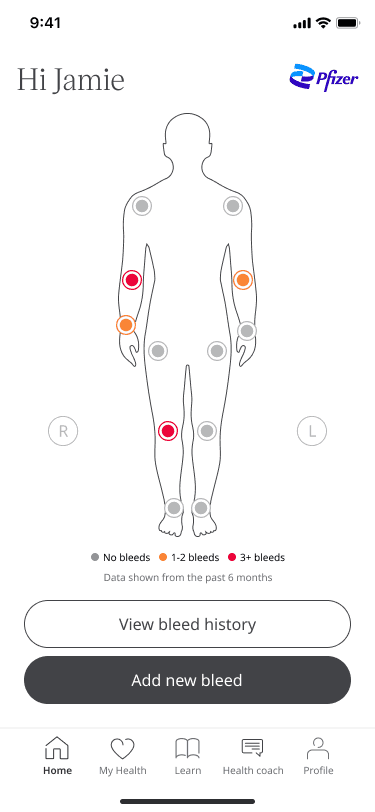
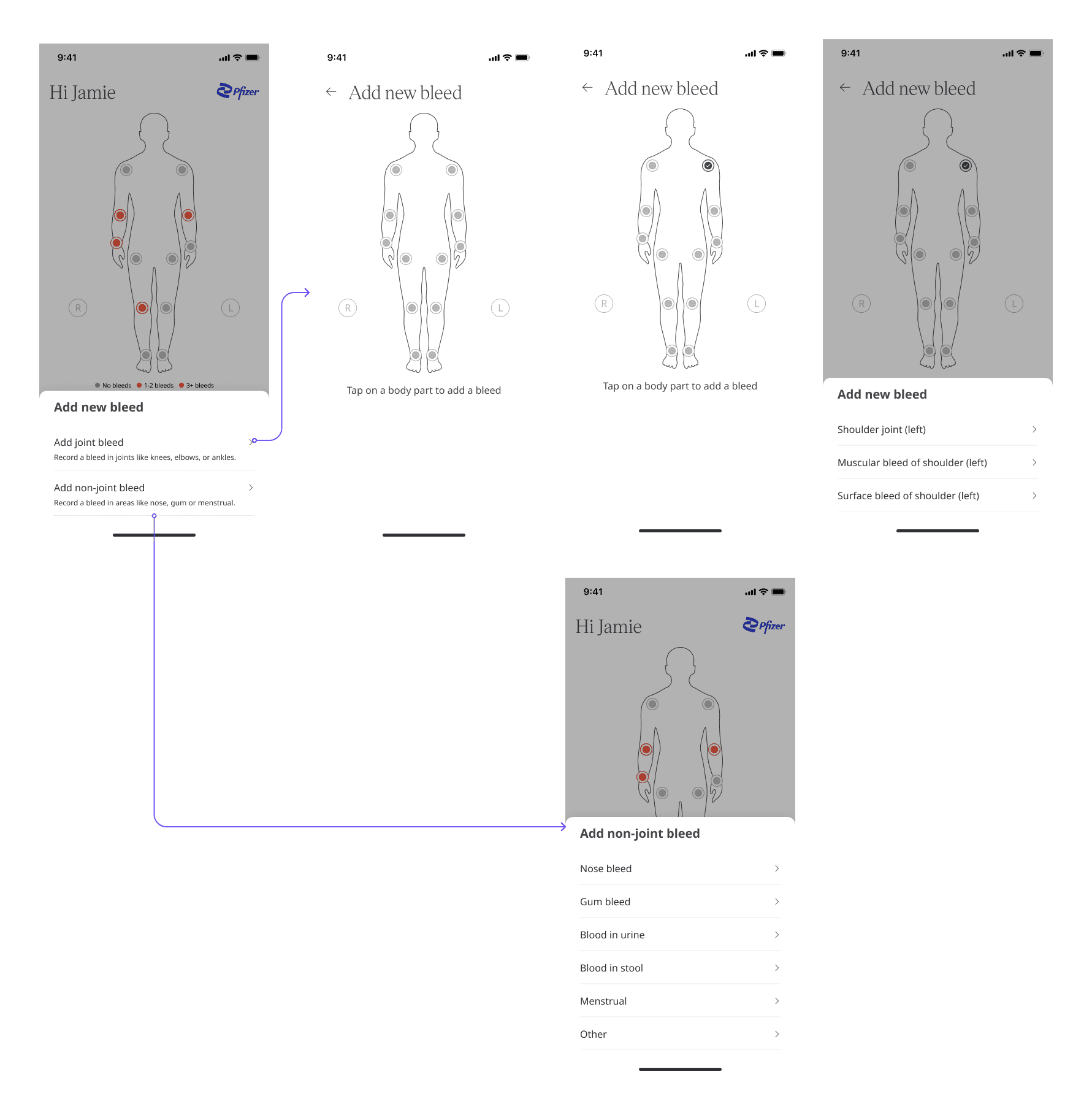
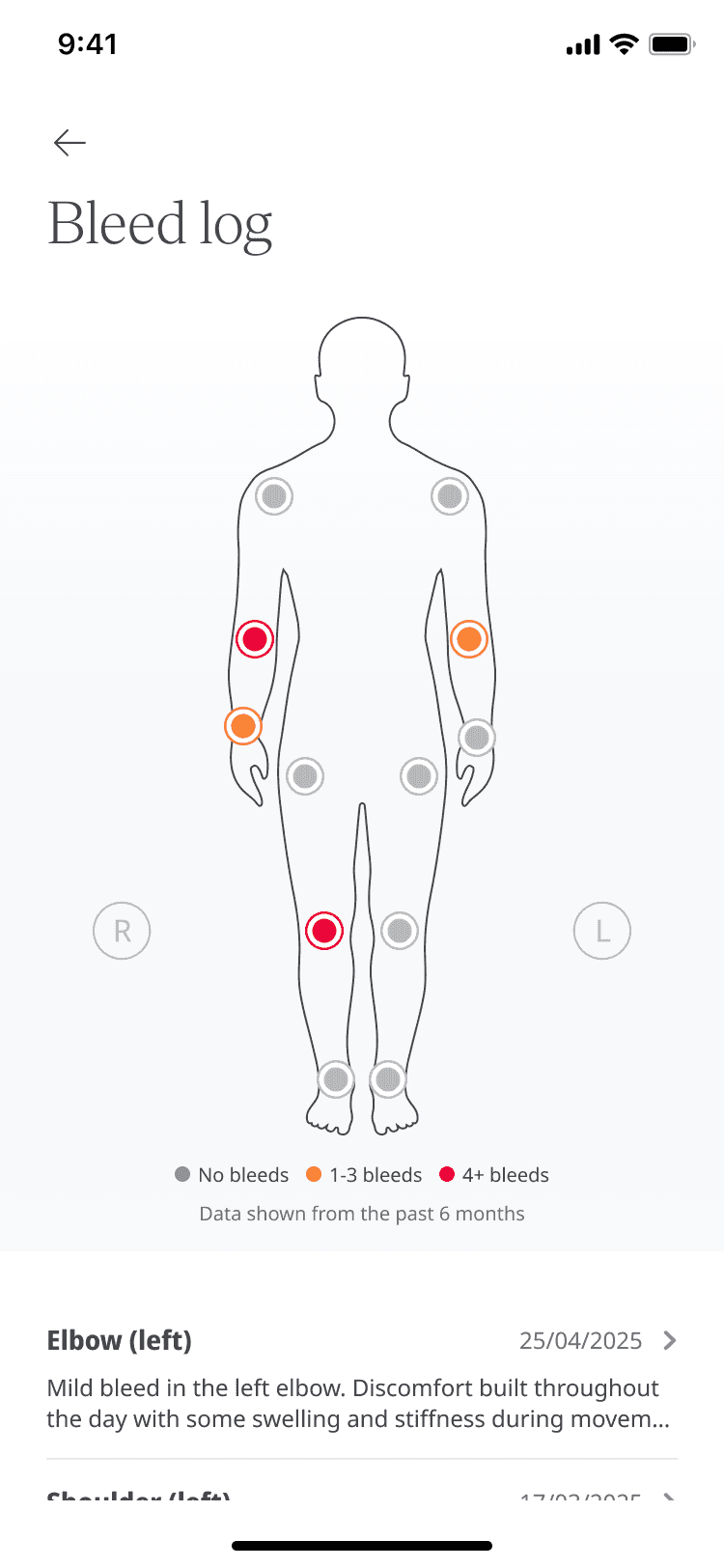
The centerpiece of the pitch was the interactive anatomical body map. This feature represented a strategic shift from traditional, text-heavy input methods toward a spatial UI that mirrors a patient’s own physical experience. By allowing users to point directly to the area of discomfort, we bypassed the cognitive strain of navigating complex medical terminology, ensuring faster and more intuitive data entry during acute bleeding episodes.
Handling complexity through systems thinking
I architected a system that handles three distinct clinical categories within a unified interface:
Joint-related bleeds: High-priority events (knees, elbows, ankles) that require specific clinical protocols.
Non-joint bleeds: Categorized entries for nose, gum, or gastrointestinal bleeds, which follow a different data path.
Custom locations: A fail-safe flow allowing users to pinpoint "other" areas, ensuring the system never limits the user's reality.
The feedback loop
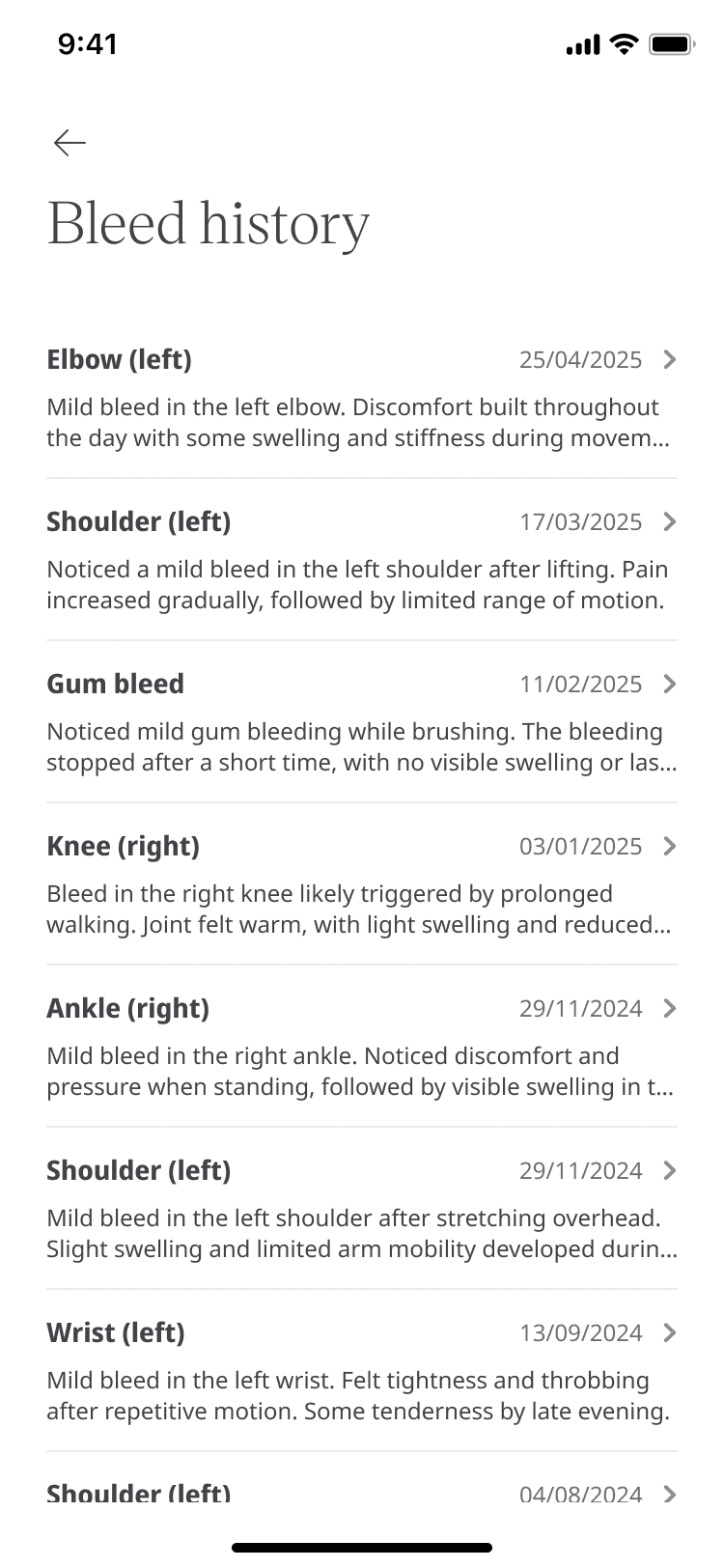
The map serves as a historical heatmap. By using different color states, such as red for active bleeds and grey for history, the patient gets an immediate visual overview of their target joints without needing to read through a log.
04. Bridging the gap: clinician driven personalization
A critical requirement for Pfizer was ensuring the app stayed relevant for a global, diverse patient base.
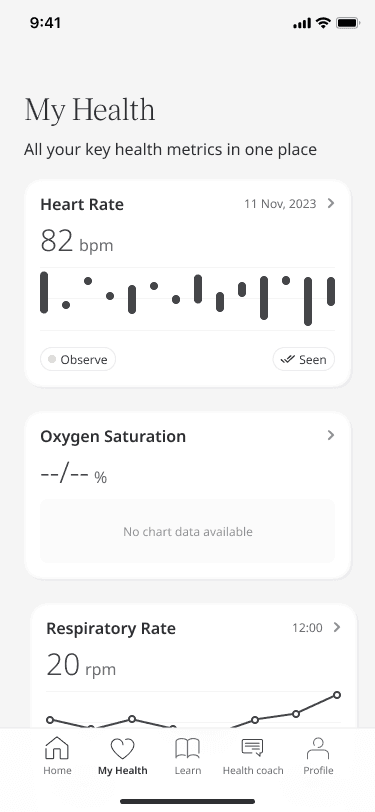
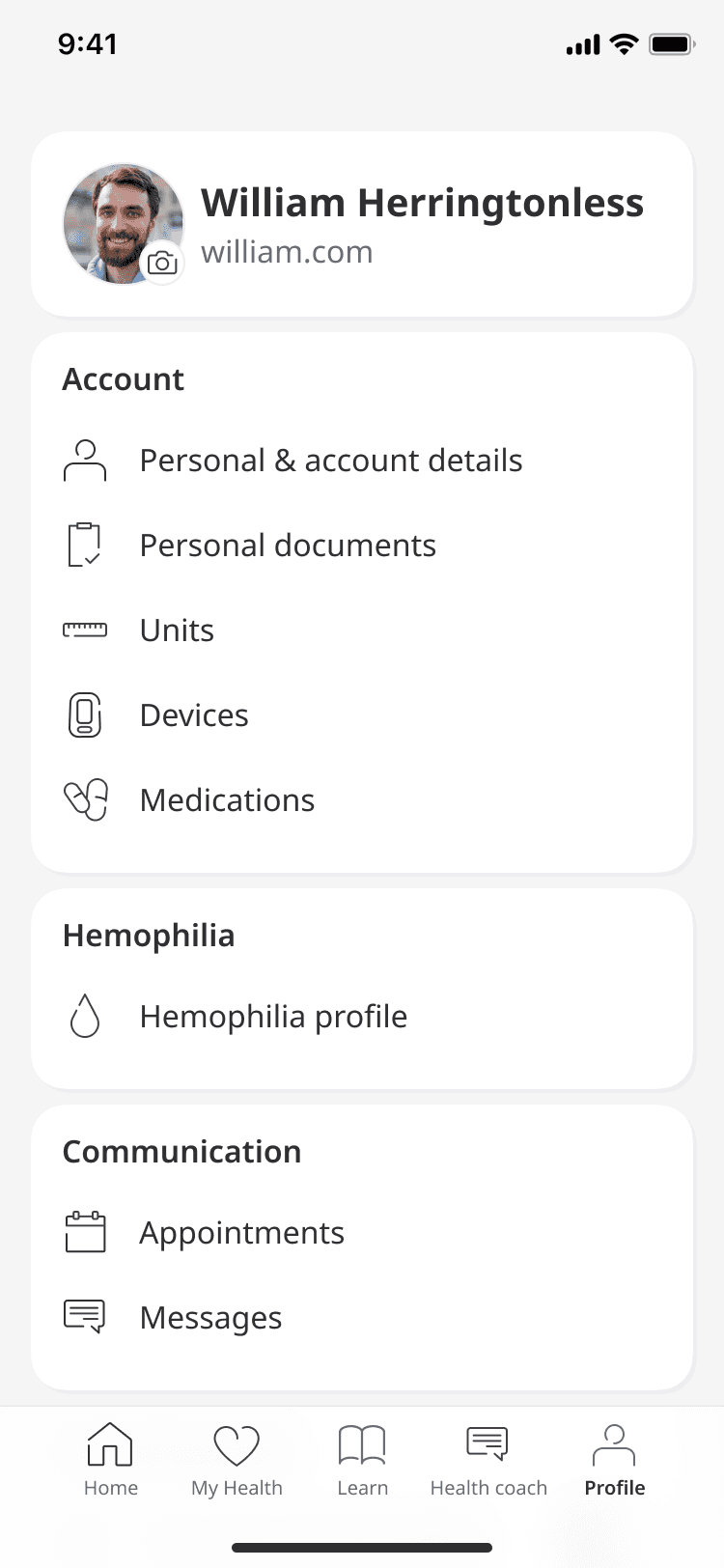
Modular health dashboard: I designed the My Health screen as a flexible container where specific metrics can be remotely toggled by the clinician based on the patient treatment plan.
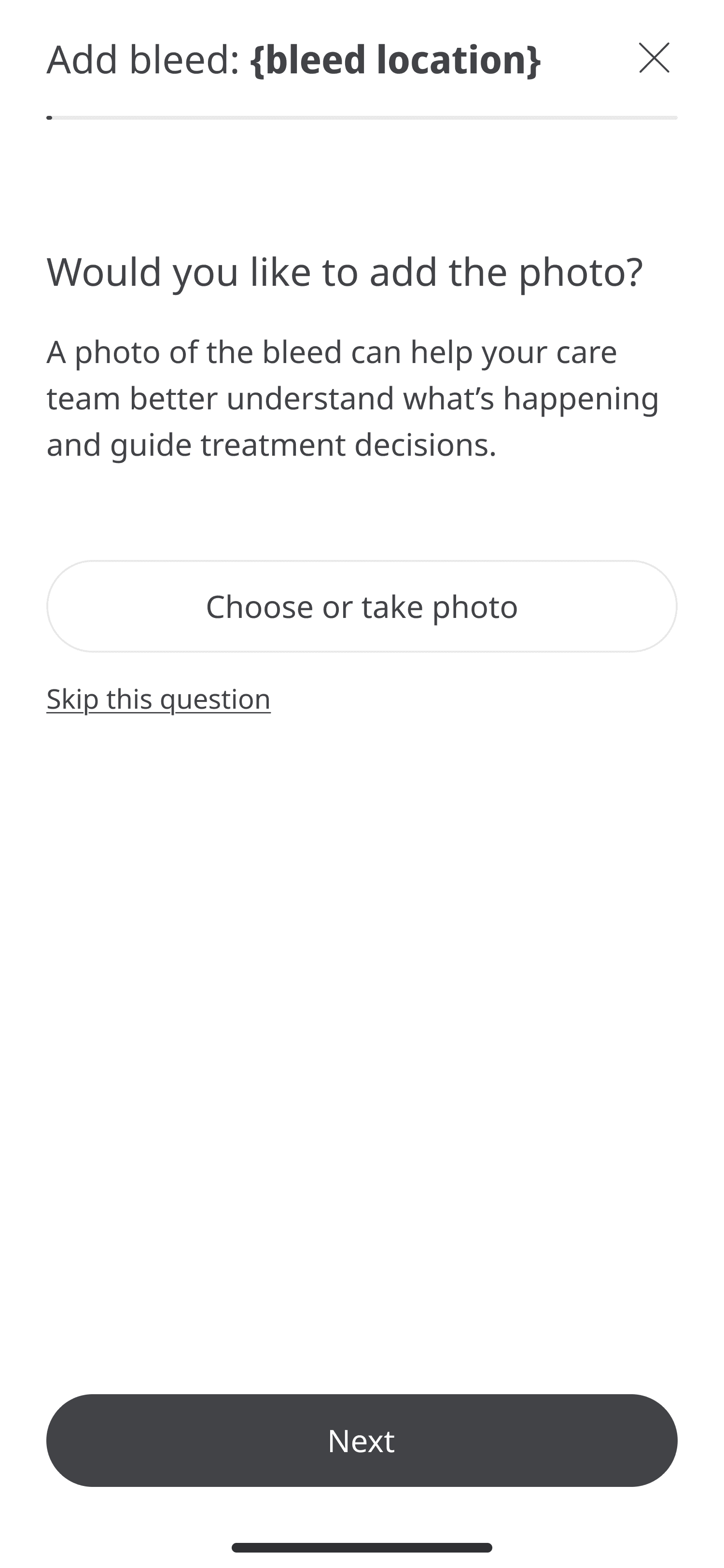
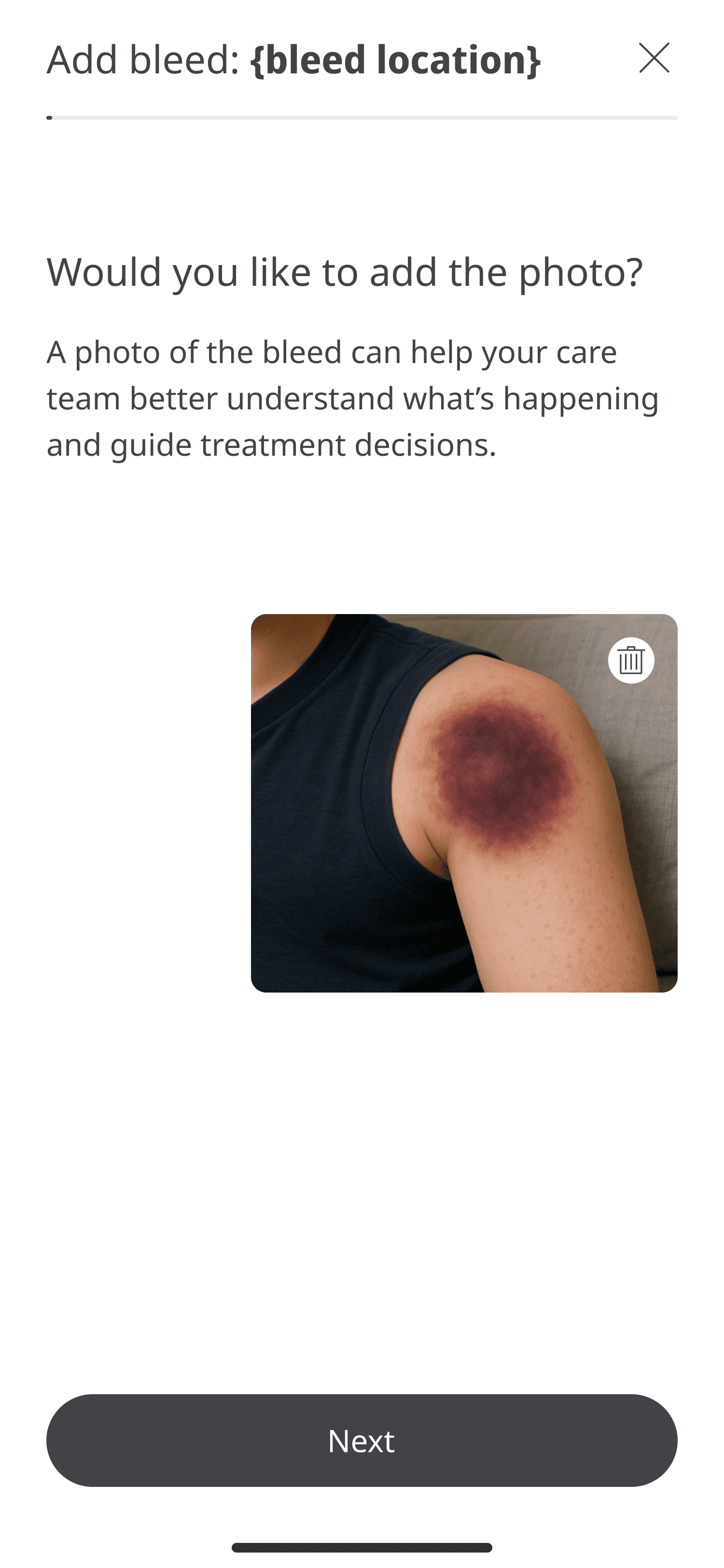
Evidence based reporting: I integrated a Photo and Detail flow where patients can upload images of their bleeds, transforming a subjective pain scale into objective clinical evidence for the care team.
05. The design to development synergy
Drawing on my frontend development background, I built these explorations with a focus on technical scalability.
Component libraries: Every screen was built using a robust system of reusable Figma components, ensuring that the handoff to the engineering team would be seamless.
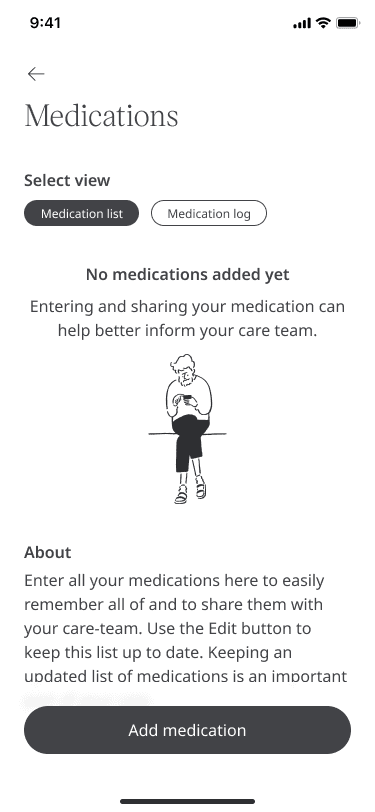
Edge case documentation: I meticulously documented empty states and medication not found scenarios to ensure a polished, premium experience across all user journeys.
06. Conclusion and Impact
The exploration was highly successful in demonstrating how design led strategy can solve clinical data challenges. By prioritizing the human experience of the patient while strictly adhering to the Huma design system, I delivered a vision that was both emotionally resonant and technically viable for a global leader like Pfizer.
Testimonials
Client Experiences and
Success Stories
Real Stories of Success and Satisfaction





Contact me
Get in touch!
Have a project idea? Let's discuss how I can help turn it into reality.
Need expert advice on UX/UI design or Framer development? I'm here to guide you.
Interested in collaborating on a design project? Let's explore the possibilities.
Have questions about my portfolio or past projects? I'm happy to share more details.
Looking to improve your existing designs? Let's strategize and enhance your digital presence.
Simply want to connect and chat about design trends? I'm eager to hear from you!
©Matija Sain 2024. All rights reserved | Made in Framer